


Essential knowledge for the construction and building industry: An explanation of 4 building structures
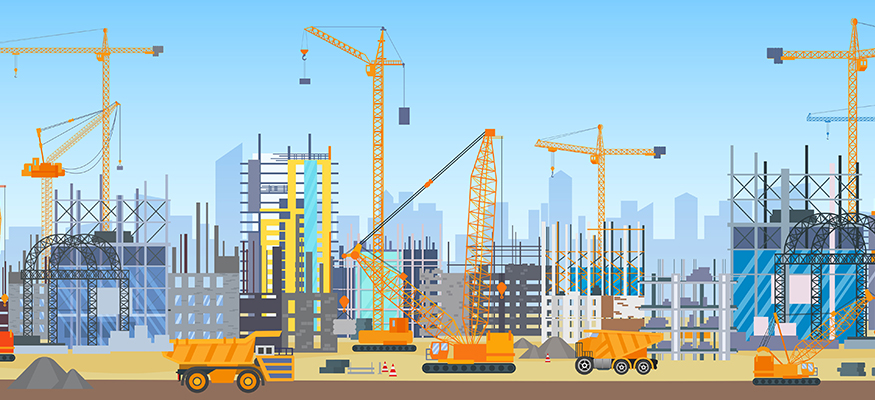
In this article, we will cover building structures, which is foundational knowledge for the architecture and construction industry. We have summarized the advantages and disadvantages of wooden (W), steel-framed (S), reinforced concrete (RC), and steel-framed reinforced concrete (SRC) structures in an easy-to-understand manner, so please be sure to read to the end.
Wooden construction (W-structure), now attracting renewed attention
Wooden structures are common in small-scale buildings such as private residences. They are sometimes referred to as "W-structures," taking the first letter of "Wood." Because lumber is a renewable resource, it is gaining attention as part of SDG initiatives, and in recent years, large-scale buildings such as hotels and offices using locally sourced timber have also emerged.
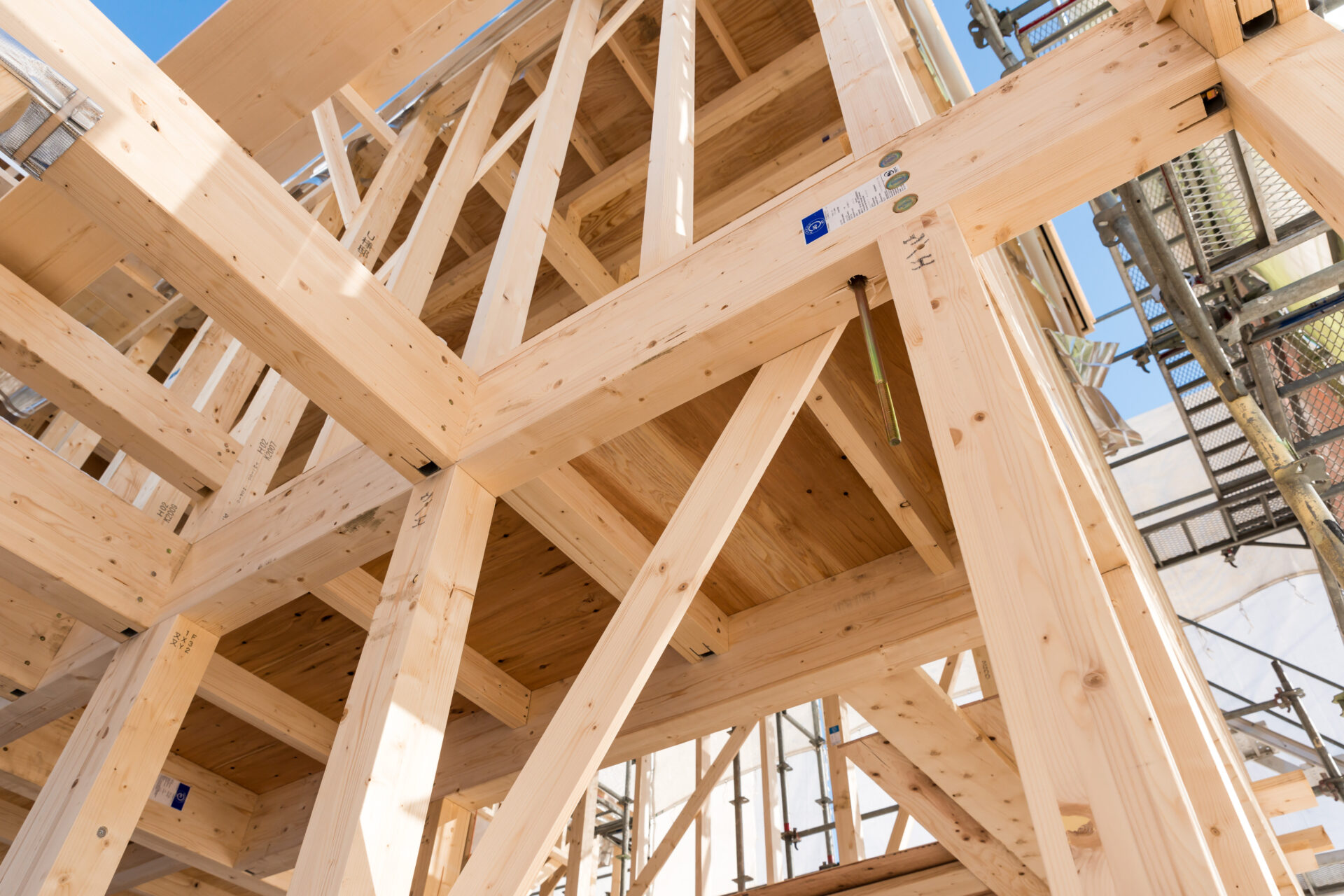
Advantages of Wooden Construction
- Keeps construction costs low (affordable materials)
- Excellent moisture absorption properties
Disadvantages of wooden construction
- Countermeasures against labor shortages are necessary
- Quality is easily influenced by the craftsman's skill
Steel-framed (S-structure) construction, widely used for everything from private residences to large-scale buildings
Steel framing is used not only in private residences and condominiums, but also in large-scale structures such as warehouses and gymnasiums. The "S" stands for "Steel." Based on the thickness of the steel materials, it is classified into two types: "lightweight steel framing" and "heavyweight steel framing."
Naturally, heavy steel framing offers superior strength. However, light steel framing helps reduce costs, which is why it is often used for smaller-scale buildings.
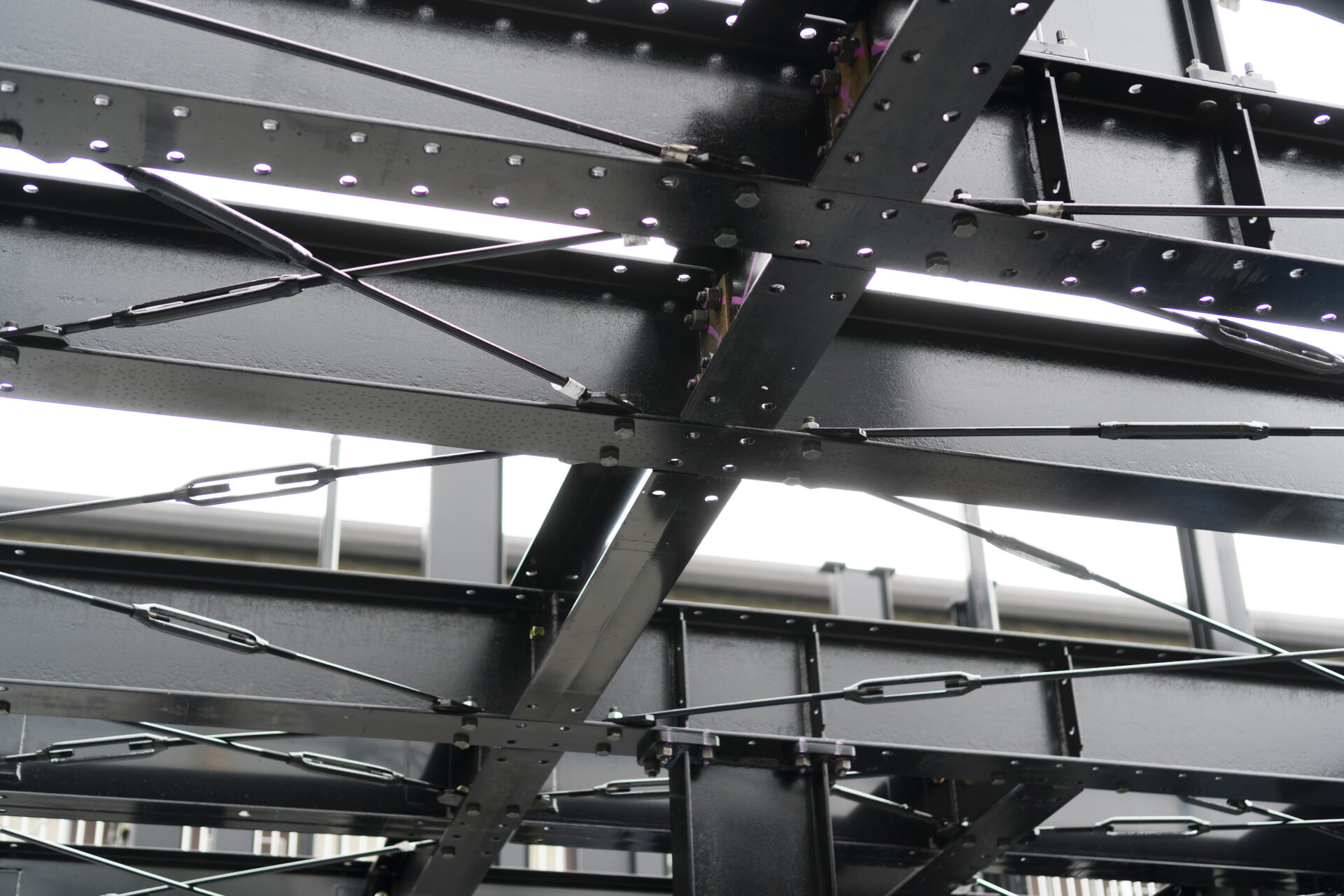
Advantages of Steel Frame Construction
- Consistent quality and shorter construction periods (for pre-fab construction methods)
- Superior seismic resistance compared to wooden construction
- Lower costs compared to reinforced concrete and steel-framed reinforced concrete structures
Disadvantages of Steel Structures
- Low sound insulation
- Low fire resistance
Reinforced concrete (RC) construction offers excellent durability at a lower cost than steel-reinforced concrete (SRC) construction
Reinforced concrete, or RC, literally translates to strengthened concrete. True to its name, it combines rebar and concrete to compensate for each other's weaknesses. It also offers excellent sound insulation, which is why many apartment buildings of around 10 stories are constructed using RC.
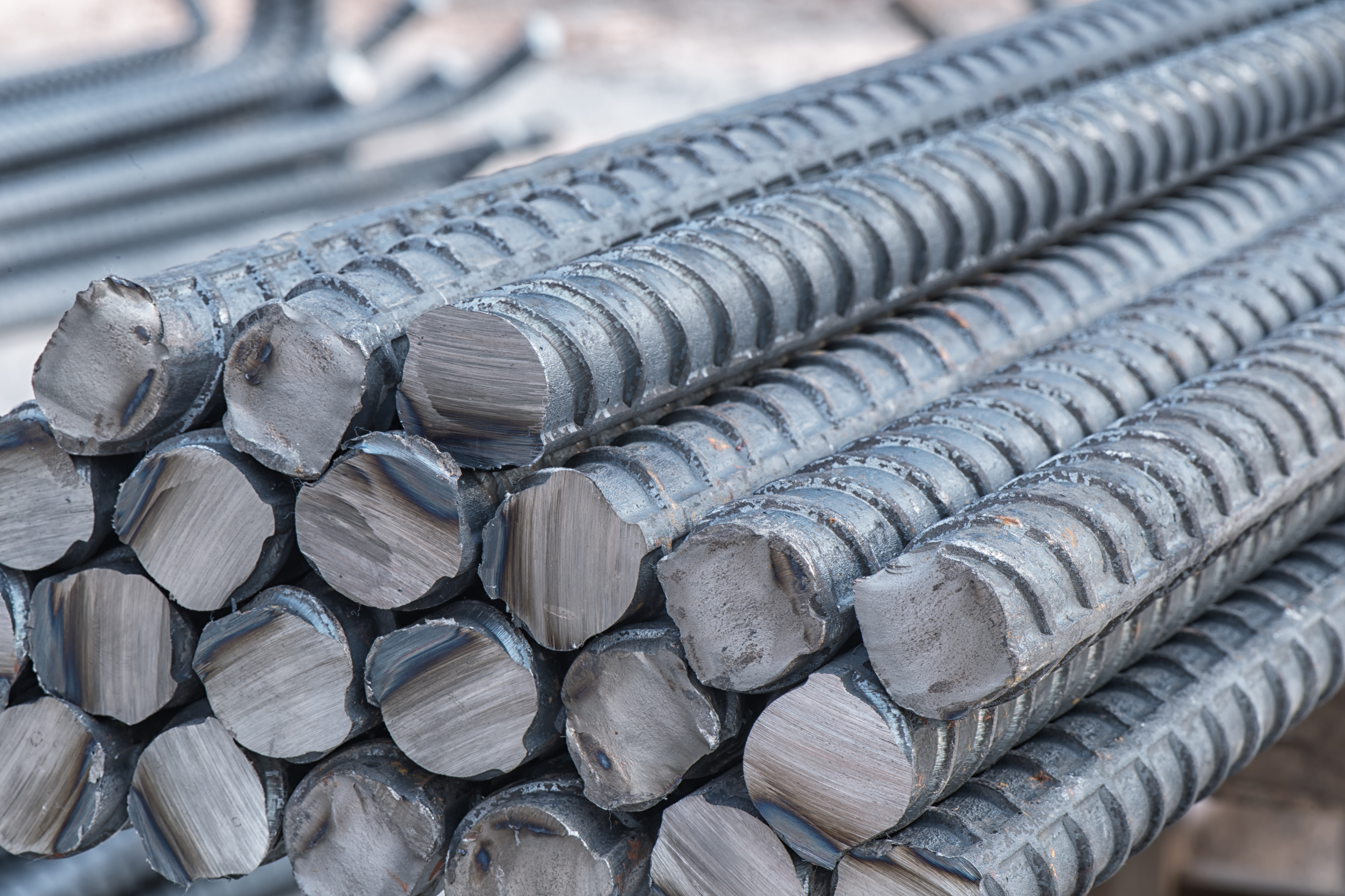
Advantages of Reinforced Concrete Construction
- Excellent durability and sound insulation
- Lower cost compared to SRC construction
Disadvantages of Reinforced Concrete Construction
- High airtightness makes it prone to mold growth.
- Because buildings become heavier, ground improvement is sometimes necessary.
Steel-reinforced concrete construction (SRC), combining the best features of steel and reinforced concrete structures
Steel-reinforced concrete (SRC) construction combines the advantages of both steel frame and reinforced concrete structures, making it exceptionally sturdy and ideal for high-rise buildings and condominiums. It is highly resistant to earthquakes and fires, offers superior soundproofing compared to RC structures, and its high strength makes it suitable for creating large, open spaces.
Advantages of Steel Frame and Reinforced Concrete Construction
- Combining the strengths of both steel and reinforced concrete construction
- Offering superior earthquake resistance, fire resistance, and soundproofing performance
Disadvantages of Steel and Reinforced Concrete Construction
- Because steel frame and reinforcing bar work are required, the construction period is extended.
- High cost due to the use of steel frames and reinforcing bars
Looking back at it now, every structure has its pros and cons, which really highlights the importance of choosing the right structure for the building's intended purpose.
While these terms are essential foundational knowledge for architecture and construction, they also frequently come up when building a home or searching for a rental apartment. Since these are not everyday terms for most people, if you know someone close to you who is thinking about moving, be sure to share this with them.
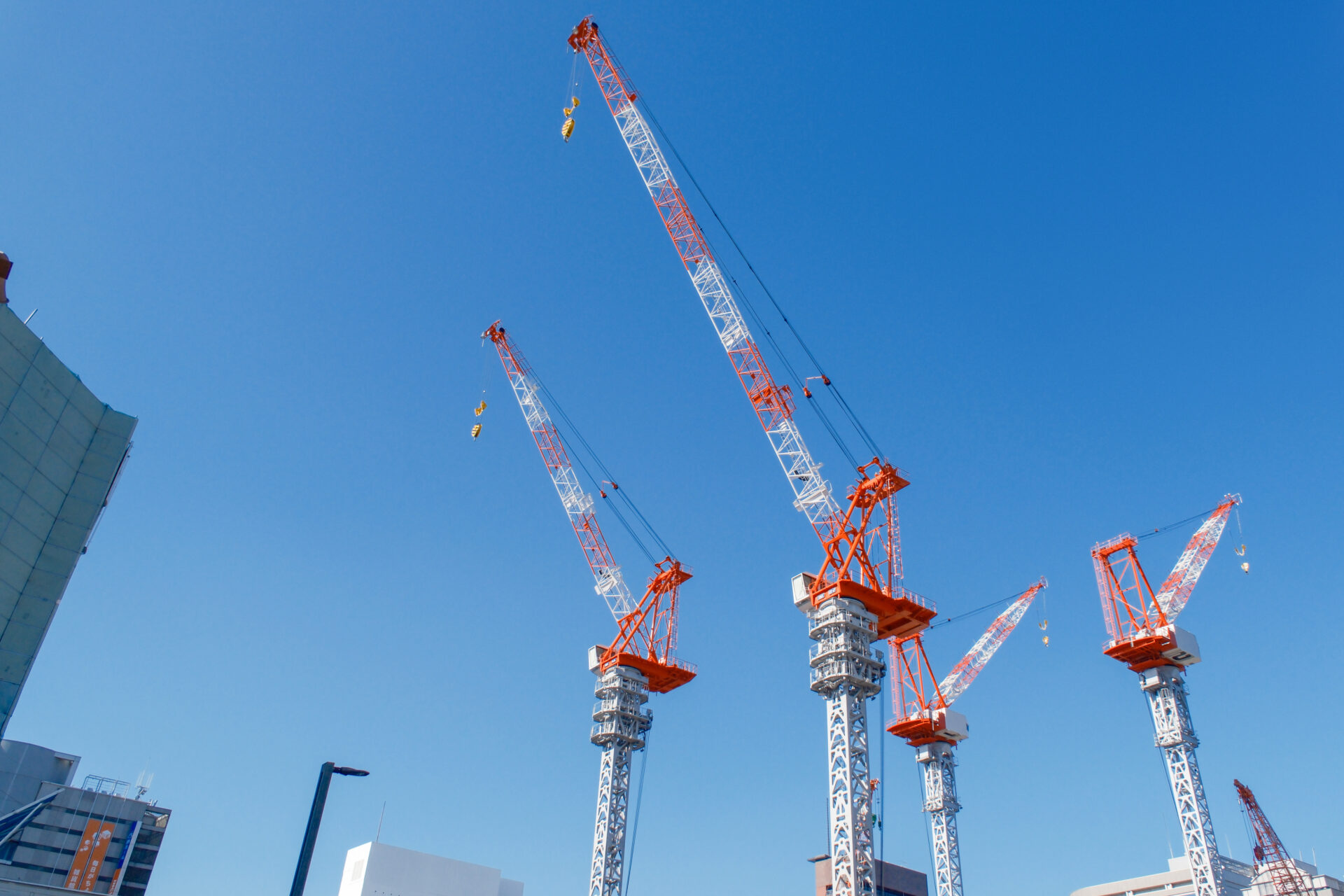
*The photos shown are for illustrative purposes only.
*All content and cases are based on Japan.