


Basic knowledge of construction and renovation terminology: What are Type A, B, and C work classifications?
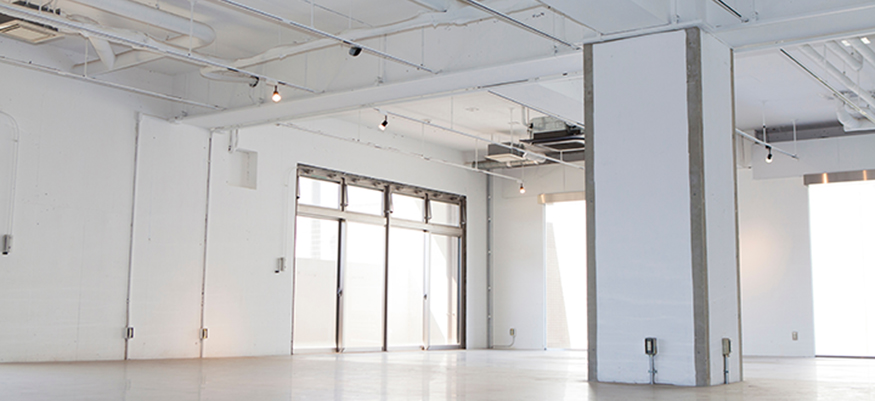
In this article, we explain "construction classifications"—specifically Work A, Work B, and Work C—which are key considerations when renovating commercial or office buildings. This will be of interest not only to construction professionals but also to anyone currently considering relocating their office or opening a new store.
What are construction divisions? Check the table first
Construction classification refers to when construction work is performed on commercial or office buildings,
- Contractor Selection
- Cost sharing
This indicates who is responsible for each task.
As shown in the table below, they are divided into three categories.
Construction Category List
| Work Category | Vendor Selection | Place Order | Cost Burden |
|---|---|---|---|
| Project A | Owner | Owner | Owner |
| B Construction | Owner | Tent | Tent |
| C Construction | Tent | Tent | Tent |
In most cases, the owner determines the division of work beforehand, clarifying who is responsible for the costs of each phase to prevent any disputes.
"Type A Construction" relating to shared areas and building structures
Class A construction refers to work where the owner selects the contractor and bears the cost. This generally includes work related to the building's structural components or those in common areas.
Example of Project A
Exterior finishing and walls, elevators, common restrooms, stairs, and common corridor construction work
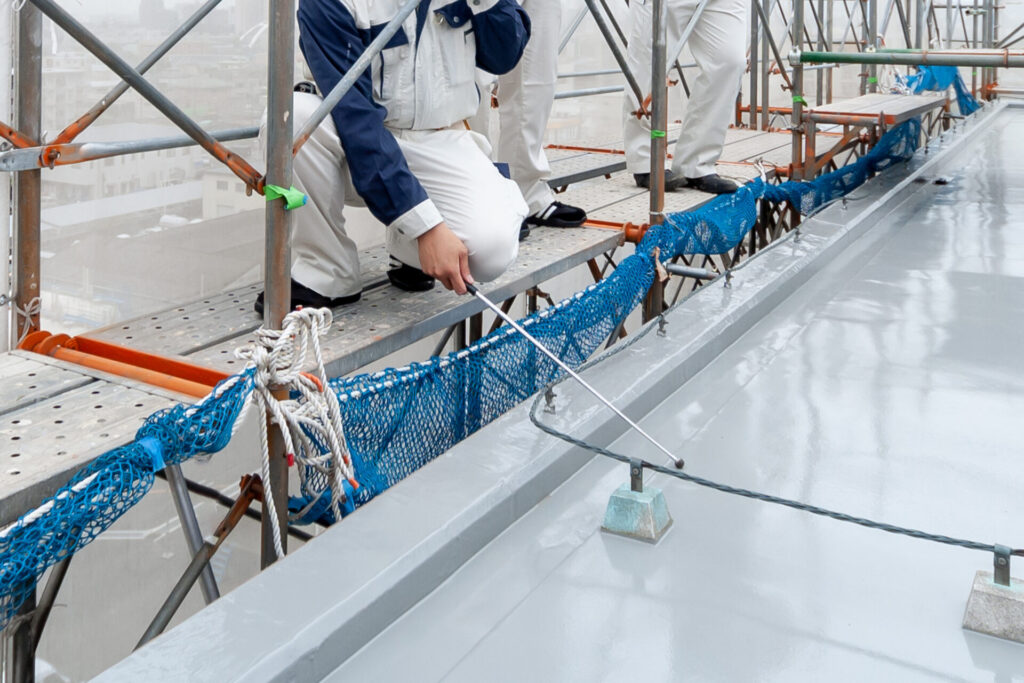
Even in exclusive areas, "B Construction" relates to overall safety
B construction refers to a system where the owner selects the contractor, and the tenant bears the costs.
Equipped with exclusive areas, these projects typically involve work that impacts the entire building, including its structure, electrical systems, and plumbing. If tenants select contractors based solely on price, owners often end up choosing the contractor themselves due to the implications for overall building safety.
Because owners prioritize safety, tenants might end up paying more than if they chose contractors themselves, and sometimes this can lead to disputes. If you have any concerns, we recommend checking in advance—such as whether the tenant is satisfied with the cost.

Example of Project B
Addition and modification of air conditioning, water supply and drainage, distribution boards, and gas and electrical equipment, as well as relocation and replacement of fire prevention equipment
*All parts are dedicated.
"C construction" involves interior work in exclusive areas and does not affect the building's structural framework.
C construction refers to work where the tenant selects the contractor and covers the costs. This typically includes interior work on tenant-exclusive areas that do not affect the building's structural framework. In most cases, installed fixtures are removed by the tenant upon moving out, though restoration to the original condition is frequently required as well.
Example of C Construction
Interior work such as replacing wallpaper and carpets, changing lighting fixtures, and modifying internet or telephone wiring.

That concludes the explanation of the construction categories.
We offer a comprehensive lineup of equipment and materials suitable for various tasks in building construction. Please take a moment to explore our equipment and materials page.
*The photos shown are for illustrative purposes only.
*All content is based on cases in Japan.