


RFID Introduction Verification Service & RFID Development and Introduction Service
Locations
* Click to view the location page
RFID Introduction Verification Service & RFID Development and Introduction Service
Achieving operational efficiency by utilizing RFID technology
Companies are accelerating their efforts to address challenges in the construction industry, such as the 2024 regulations and an aging workforce.
Amid these circumstances, RFID (Radio Frequency Identification) is attracting attention as a technology that improves operational efficiency.
RFID is a system that uses radio waves to wirelessly read and write individual information registered on RF tags, enabling the identification and management of individual items.
By using RFID, workers can contactlessly and simultaneously read multiple items from a distance, making instantaneous identification possible.
It is expected to be increasingly utilized in a wide range of fields regardless of industry, including shipping and receiving operations, inventory management, and location information management.
[4 Features of RFID]
● Ability to read and write individual information from a distance (= Long-range capability)
● Ability to read items even when they are hidden behind something (= Penetration capability)
● Ability to read multiple items at once (= Batch processing capability)
● Ability to identify items individually, point by point (= Individual identification)
Features
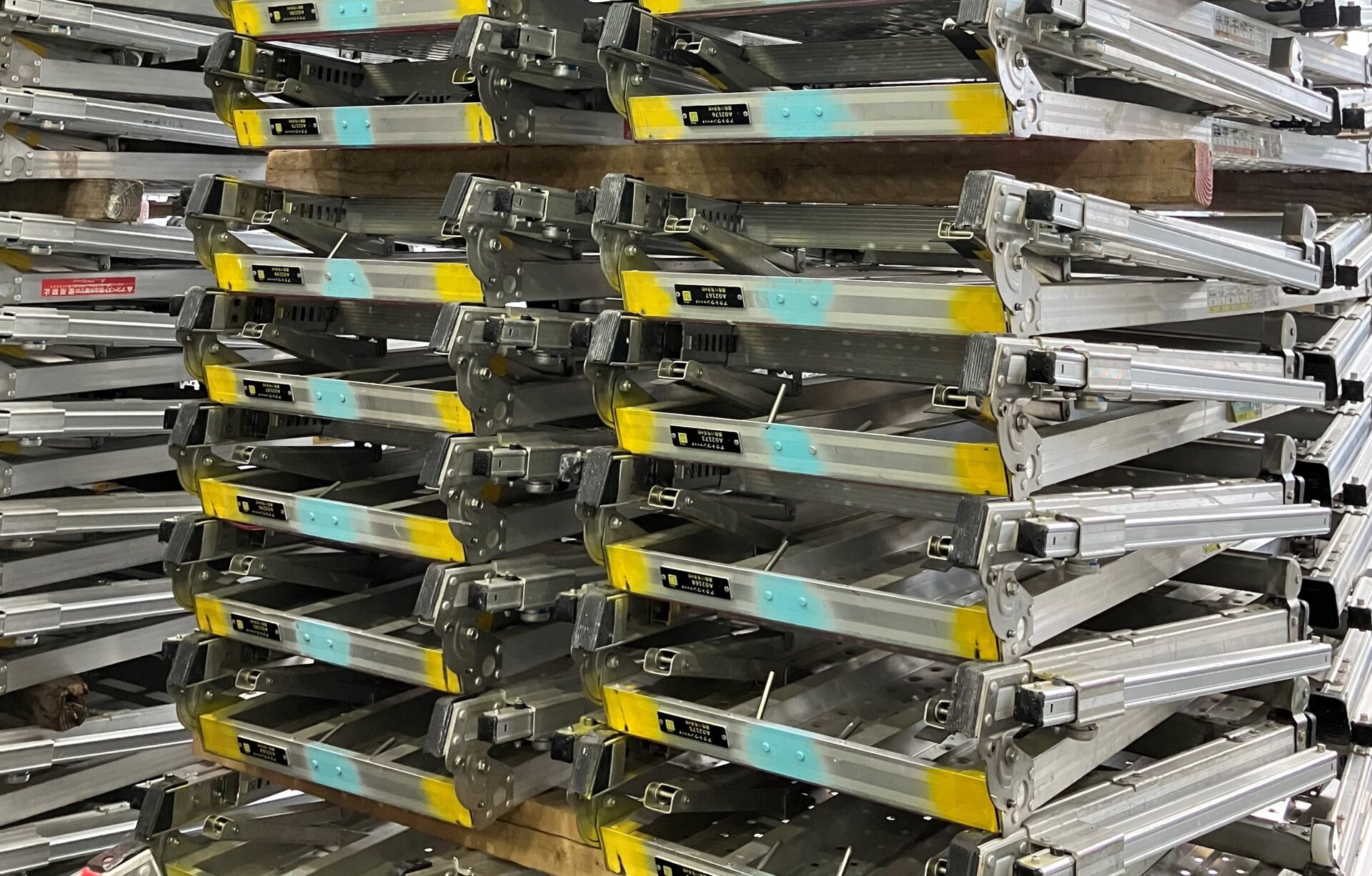
- Drawing on Act-One Yamaichi's extensive experience and track record, we support your company in implementing RFID.
- This service provides comprehensive support from the initial feasibility study to implementation and operation, in collaboration with DNP.
- There are 5 steps. Steps 1 to 3 are the "RFID Implementation Verification Service," and Steps 4 and 5 are the "RFID Development & Implementation Service."
STEP 1: Functional Overview and Current Status Analysis
● System demonstration at our equipment center
● Detailed explanation of RFID-related operations
● Interviews regarding customer challenges and requirements
⇒ Compiling the above information into a document and submitting a report
STEP 2: Preliminary Verification
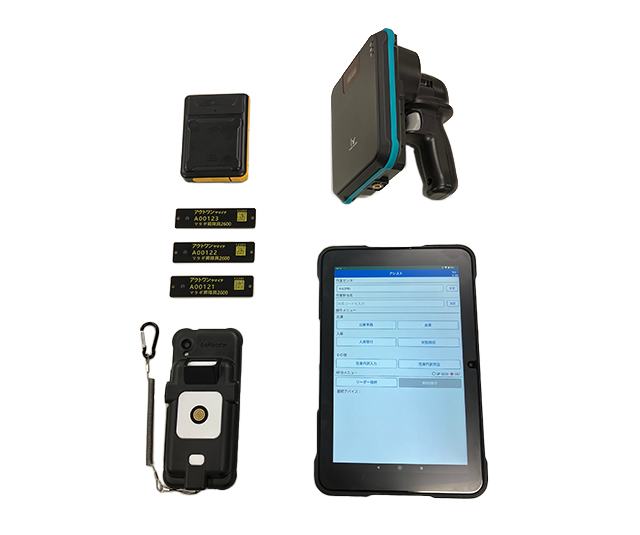
● RF tag readability verification
・ Providing test RF tags to the customer
・ Conducting RF tag readability tests at the customer's equipment center
⇒ Compiling verification results into a document and submitting a report
● Survey on customer's operational procedures
● Loaning of equipment (readers and tablets)
STEP 3: Results Reporting
● Submission of documents regarding system operation provided by us
● Submission of the final report
・ RFID management workflow, functions, data integration specifications, system investment amount, development schedule, etc.
・ Cost reduction effects through RF tag implementation
STEP 4: Implementation & Start of Operation
● RF tag attachment
・ Undertaking initial attachment work
・ Creation and provision of jigs required for attachment
・ Consulting on overall attachment work
● System implementation
・ Requirement definition
・ Design and development
・ Consulting on business process construction
● Equipment selection and procurement
・ Support for wireless station registration, GS1 codes, and Japanese Radio Law compliance
STEP 5: Post-Operation Support
● RF tag sales
● RF tag attachment
・ Support for attaching tags to equipment other than those handled by us, as well as jig creation and sales
・ Mediating tag attachment by manufacturers when customers introduce new equipment
● RFID operation training and guidance
・ Provision of educational know-how
・ Acceptance of on-site training
● System maintenance support
★ Click here for examples of RFID implementation at Act-One Yamaichi
We have launched the RFID Implementation Verification Support Service (Dec 12, 2023: What's New)
Our company was featured in DNP's RFID implementation case studies (Sep 26, 2023: What's New)
Related Equipment
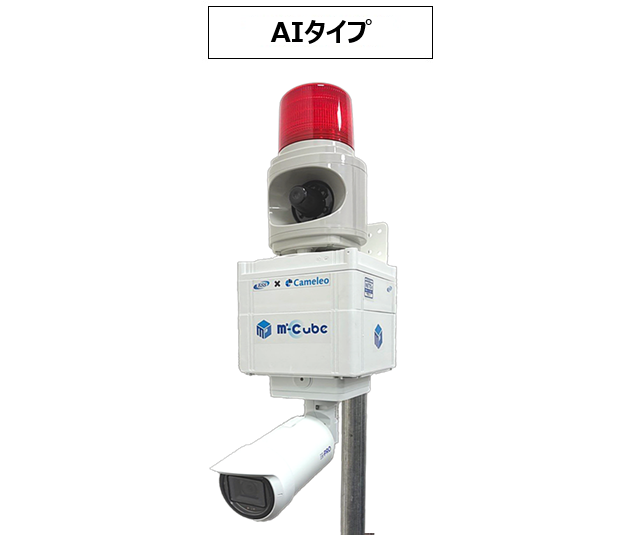
Mobile Camera "M-Cube"
Easily attachable with single-pipe clamps. Simply plug the power cord into an outlet.
With built-in mobile communication, footage can be viewed on PCs and smartphone apps.
Main unit recording specifications are also available, allowing you to choose according to your site.
Rentals are available for periods ranging from short terms of 2 weeks to long terms.
Remote Site System "N-POKE Plus"
Check site footage remotely in real time and communicate directly.
Ideal for remote site inspections and walkthroughs.
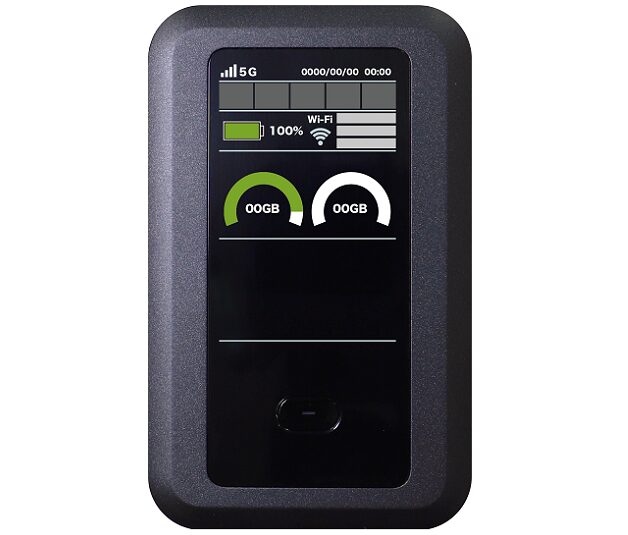
Mobile Router "GENBA-Net 5G"
A 5G mobile router equipped with 3 carriers.
Ideal for sites where optical fiber lines are difficult to install due to conditions, or in areas where only certain carriers are available.
Also Recommended as a support item for remote site inspections.
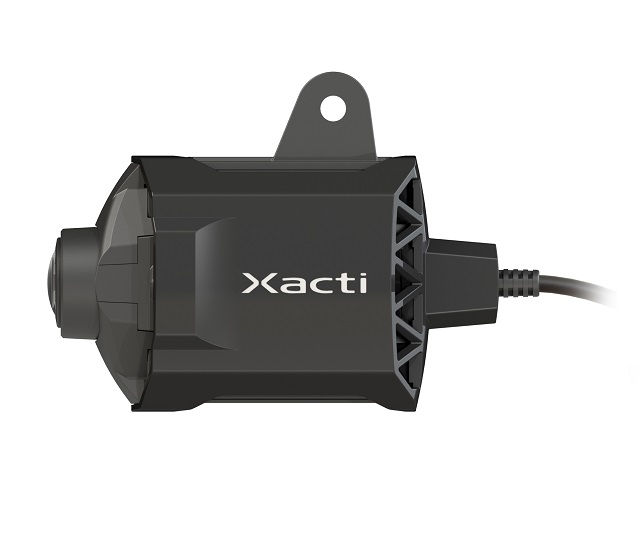
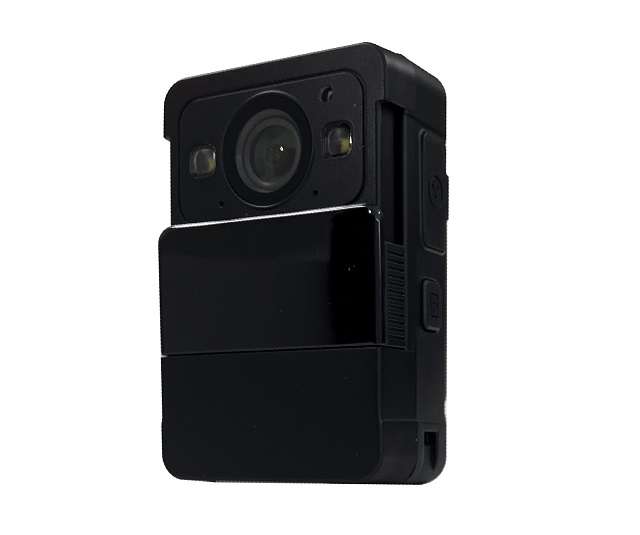
Remote presence system "CX-WE100"
Connects to a smartphone and outputs images without shaking in real time. It can be attached to a helmet and checked from the worker's point of view. The image is easy to view with to the manufacturer's unique horizontal maintenance functions and image stabilization.